WEF vs TRT Dream11 Fantasy Picks: The Hundred Men’s 2026 Match 11 at Sophia Gardens
Welsh Fire host Trent Rockets in Match 11 of The Hundred Men’s 2026 at Sophia Gardens, Cardiff, on Wednesday 29 July 2026, with a 7:30 PM IST start. The fixture lands in the middle of the competition table, with Fire sitting second on the back of a 15-run win over Manchester Originals and Rockets fourth after Ben Duckett’s 75 anchored a four-wicket chase against London Spirit. The fantasy build is less about reputation and more about Sophia Gardens’s pacer-friendly surface, the confirmable bowling share, and the wicketkeeper-batter who actually faces the new ball.
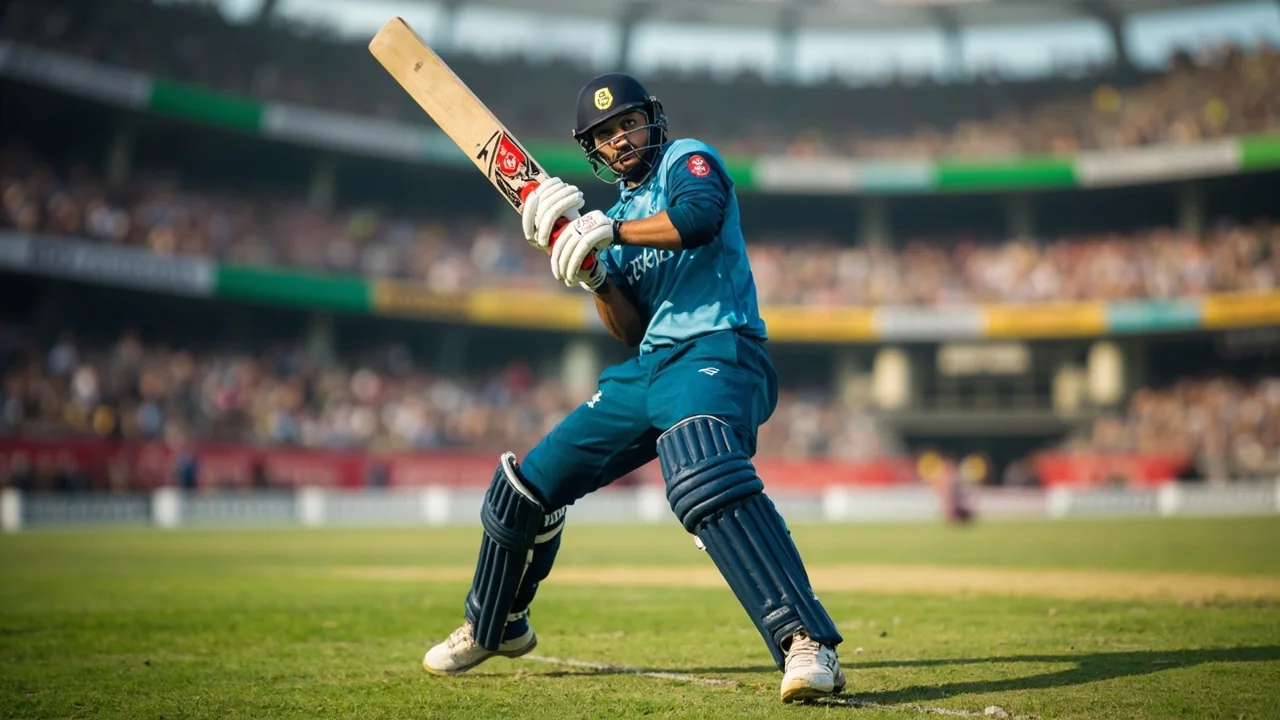
What Match 11 actually asks of a fantasy XI
The Hundred compresses T20 thinking into 100 balls, and Match 11 at Sophia Gardens is a textbook example of why the format punishes template copying. The Cardiff surface carries a documented pacer-friendly profile (about 61% of wickets shared by the seamers), and the historical split leans modest-margin bowling-first wins (67%) over batting-first wins (33%). Average first-innings score sits at 131, second-innings at 122, which is a useful target band for any Dream11 stack that is choosing between three frontline batters and four.
Cardiff weather around the start window is listed at 20 to 21°C with a 4% rain chance and 78% humidity. Cool, slightly damp conditions usually keep the new ball honest for a touch longer than a dry afternoon, which slightly lifts the floor of any confirmed new-ball seamer (Lockie Ferguson and Sam Cook for Fire, Matt Henry and Mohammad Amir for Rockets). It does not justify a four-pace stack and a zero-spin build: change-up bowlers such as Mitchell Santner and Calvin Harrison still have a role once the ball softens, particularly against the left-hand clusters in the Fire order.
Readers who want a broader Indian-market framing of how Dream11 contests route around captain choices, credit maps and 100-ball roles can return to the wider Fantasy Cricket hub once the lock is over. For Match 11 itself, the work below is what the toss, the pitch and the probable XIs actually justify.
Probable XIs and what each role is worth on the night
The probable Welsh Fire XI comes with Phil Salt as captain and wicketkeeper, Matthew Short, Joe Root, Rachin Ravindra, Jordan Cox, Marco Jansen, Asa Tribe, Ben Kellaway, Chris Woakes, Lockie Ferguson and Sam Cook. That is a batting depth that runs all the way to number eight, three confirmed seam options sharing the new ball, and two spin-or-part-time options in Short and Ravindra. The captaincy question centres on Phil Salt; the dual-skill question centres on Marco Jansen.
Trent Rockets’s probable XI reads Ben Duckett, Finn Allen, Tom Banton, Tim David, Sam Billings as captain and wicketkeeper, Mitchell Santner, Lewis Gregory, Craig Overton, Calvin Harrison, Matt Henry and Mohammad Amir. The batting has a clear hierarchy (Duckett at the top, Billings through the middle, Tim David as the closer), and the bowling has Amir, Henry and Overton as the wicket-taking tier with Santner and Harrison as the control layer.
Welsh Fire (probable)
- Phil Salt (c & wk)
- Matthew Short, Joe Root
- Rachin Ravindra, Jordan Cox
- Marco Jansen, Asa Tribe
- Ben Kellaway, Chris Woakes
- Lockie Ferguson, Sam Cook
Three seamers at the new ball, two spin-or-part-time options in the middle.
Trent Rockets (probable)
- Ben Duckett, Finn Allen
- Tom Banton, Tim David
- Sam Billings (c & wk)
- Mitchell Santner, Lewis Gregory
- Craig Overton, Calvin Harrison
- Matt Henry, Mohammad Amir
Amir and Henry form the new-ball pair; Santner and Harrison control the middle.
The match desk outlook points to a 6:5 split (WEF six, TRT five) in the most-balanced Dream11 construction, with combination 2-2-4-3 (wicketkeeper, batter, all-rounder, bowler). That split is a useful starting point, not a locked outcome. The Fire batting stack is longer; the Rockets bowling stack is more concentrated. The fantasy value sits in matching that asymmetry correctly, not in forcing a perfect 50:50.
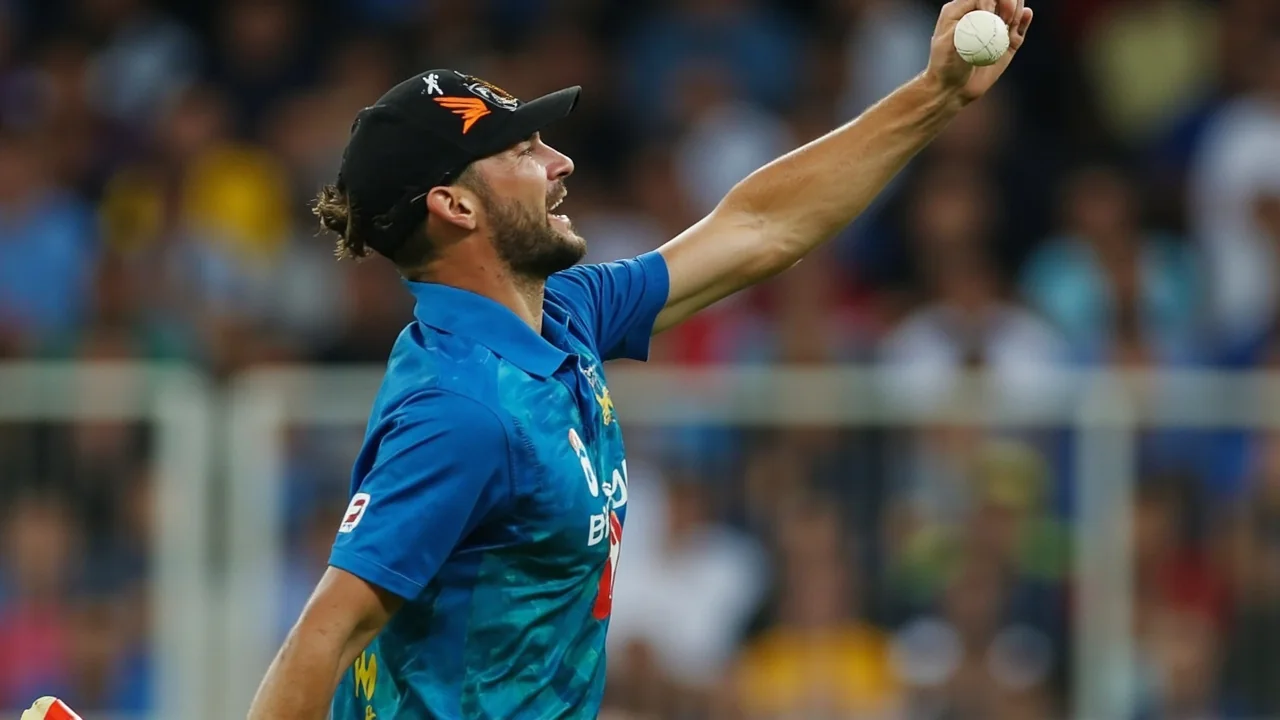
Captain and vice-captain ladder for WEF vs TRT
The cleanest captain route on the current probable XI is Rachin Ravindra. He bats in the top order, bowls a share of overs, and carries the dual-skill multiplier that fantasy scoring amplifies most in a 100-ball innings. If the Fire top three gets through the powerplay, Ravindra’s floor rises further because he sees middle-overs spin and short-ball matchups. Matthew Short is the differential captain pick for owners who want separation from the obvious Fire stack; his batting is stabilising, his part-time spin gives a second scoring pathway, and his credit tends to sit one tier below Ravindra.
Vice-captain attention sits with Ben Duckett. He opens against the Fire seam trio (Ferguson, Cook, Woakes), and a left-handed batter who pulls hard and stands tall in the crease is exactly the profile that has historically punished Welsh Fire’s new-ball pair. The match desk outlook also flags Tom Banton as the differential vice-captain option; if the Rockets bat first and the death overs stay quiet, Banton’s late-innings strike-rate can sweep the multiplier returns.
Lockie Ferguson is the pure-bowling captaincy pivot. On a 61% pacer-friendly surface, a confirmed new-ball share of five balls in the powerplay plus one or two at the death is a reliable scoring floor. The risk is the credit cap: if the Fire batting stack is locked in, Ferguson usually forces a downgrade on Root or Woakes. That is a legitimate trade-off, not a mistake.
Sam Billings is the secondary captaincy option for those who prefer the Rockets wicketkeeper-batter top of the order. He is less explosive than Duckett but offers catch points on top of batting points, and his record against off-side spin is one of the more dependable in the squad. Phil Salt is the third captaincy route for owners who want the obvious Fire-side keeper; the same batting-point logic applies, but the bowling multiplier is missing and the credit is usually higher.
Core, differential and avoid bands without template copying
Core band (high confidence if the probable XI holds): Rachin Ravindra, Matthew Short, Phil Salt, Ben Duckett, Tom Banton, Marco Jansen, Mitchell Santner, Lockie Ferguson, Craig Overton, Joe Root. These ten cover the top-of-order batting, the dual-skill all-rounders and the confirmed new-ball seam for both sides. The eleventh slot is the contest differentiator — pick by contest size.
Differential band: Calvin Harrison, Mohammad Amir, Sam Cook, Asa Tribe, Lewis Gregory, Jordan Cox. Harrison and Amir are the spin-or-change-up options that most public teams will underweight. Cook is the second new-ball seamer whose economy multiplier often goes unpriced. Tribe and Cox are the batting-position pivots if the Fire order shuffles. Gregory is the death-overs Rockets option if the second innings stays quiet.
Avoid band until the toss proves otherwise: any unconfirmed bench name, any reporter’s hunch XI, and any player who has not been confirmed in the Fire or Rockets match-day squad. A blank availability note is not clearance to force a speculative name into a cash contest. The fastest way to waste a 100-credit map is to pay for a non-XI bowler before the card is published.
Pitch cue
Pacer-friendly (61%), bowling-first wins (67%), average first-innings 131. Build seam-first, keep one quality spinner.
Conditions cue
20°C, 4% rain, 78% humidity. Cool moist air keeps the new ball honest. Lift Ferguson, Henry, Amir and Cook.
Form cue
Fire 2nd after a 15-run win over Manchester Originals. Rockets 4th after a 4-wicket chase led by Duckett’s 75.
Head-to-head cue
Last 10 meetings: WEF 1, TRT 4, 0 no-result. Rockets lead the recent ledger by a wide margin.
Two practical credit maps for the 7:30 PM IST lock
Balanced WEF-leaning map (6:5): Phil Salt (wk); Matthew Short, Ben Duckett, Tom Banton, Joe Root; Rachin Ravindra, Marco Jansen, Mitchell Santner; Lockie Ferguson, Craig Overton, Matt Henry. This keeps three Fire top-order batters, two dual-skill all-rounders, and a seam trio that can share the new ball on both sides. It mirrors the 6:5 mix without forcing percentages.
TRT-heavier differential map (5:6): Sam Billings (wk); Ben Duckett, Tom Banton, Matthew Short, Joe Root; Rachin Ravindra, Marco Jansen, Mitchell Santner; Lockie Ferguson, Craig Overton, Mohammad Amir. Use this when the surface reads faster than the average and the toss hint is run-first. The risk is obvious: if the Fire top three fires, the Fire dual-skill premium is missing and the differential return leans on the seamers.
Whatever map you choose, leave two to three credits of flexibility for a like-for-like swap after the toss. The most common late repair is wicketkeeper-for-wicketkeeper (Salt vs Billings) or seam-for-spin if the first ten balls show grip rather than carry. The match desk outlook also flags the standard combination 2-2-4-3 as a useful starting ratio; treat it as a target, not a rule.
What to watch between the squad announcement and the lock
First, confirm whether Ravindra and Marco Jansen both bowl a full set. If either is used as a batting-only option on the night, strip the dual-skill premium and reallocate the credit to a pure bowler from the same side. Second, track the opening combinations: Salt-Short for Fire and Duckett-Allen for Rockets can shuffle, and the third name in that cluster often becomes the ownership trap. Third, check humidity and cloud cover updates closer to the 7:30 PM IST start; a heavier cloud sheet keeps Ferguson and the first-change seamer live longer than a clearing sky.
Fourth, do not over-rate the head-to-head ledger. The 1:4 split in the last 10 meetings is real, but it spans multiple seasons, formats and squads. It is a useful tie-break, not a base-rate prediction. The base-rate prediction is the match-desk outlook call: Trent Rockets favourites, Ravindra the SL captain pick, Short the GL differential captain, Duckett and Banton the vice-captain and differential VC pair. That is the best-supported reading on current information.
For Indian fantasy players locking Wednesday evening sides, the short version is simple: captain Ravindra or Short if the dual roles hold, anchor with Salt and Duckett, pair Ferguson with one quality spinner, and leave room to react at the toss. The match is at Sophia Gardens, the surface is seam-led, and the innings band is 120 to 135. Build as if the first 20 balls are a separate mini-match, because in The Hundred, they are.