SRH vs RR Dream11 Prediction, IPL 2026 Match 21 at Uppal: Fantasy Retrospective from 13 April 2026
On Monday, 13 April 2026, Sunrisers Hyderabad hosted Rajasthan Royals in Match 21 of IPL 2026 at the Rajiv Gandhi International Stadium in Uppal, Hyderabad. The 7:30 PM IST fixture landed two form curves against each other: a Sunrisers side that had just posted 219 and still lost, and a Royals side that had just chased 202 with overs in hand. The fantasy brief CricTracker published that evening still rewards a careful re-read, because the probable XIs, the 168-par Uppal average, the 85% humidity and the five-match form lines were all sharp enough to build a real Dream11 side around, even with the captain tag carrying a question mark.
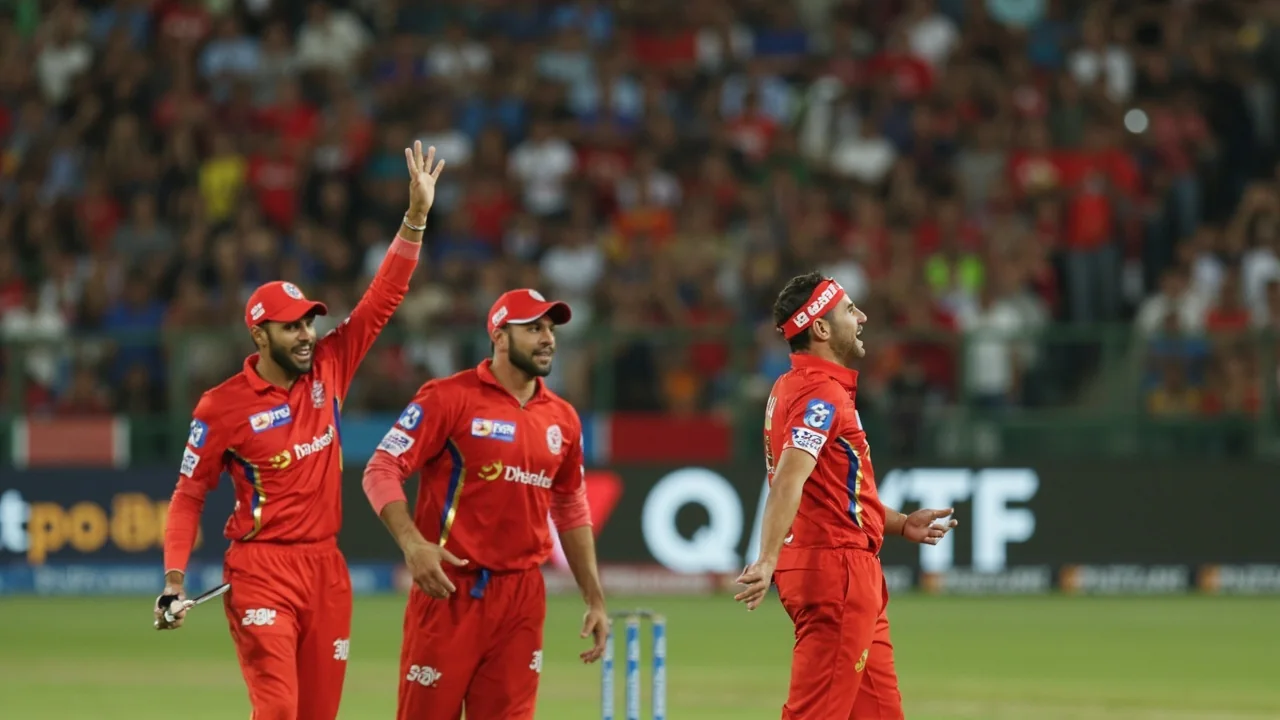
Why Match 21 still teaches something about Dream11 contests
Match 21 was a Monday-night fixture wedged between two very different scorecards. Sunrisers had just stacked 219 batting first against Punjab Kings and still lost by six wickets, with Abhishek Sharma making 74 off 28 and Travis Head 38, while Shivang Kumar took 3 for 33 and Harsh Dubey took one. Royals had just beaten Royal Challengers Bengaluru by six wickets after Bengaluru posted 201, with Vaibhav Sooryavanshi making 78, Dhruv Jurel 81, and Ravi Bishnoi, Jofra Archer and Brijesh Sharma taking two wickets each. Two scorecards, two opposite moods: Hyderabad was searching for a bowling plan that could hold a 219 total, Rajasthan was confirming a chase template that had just worked under pressure.
That contrast matters more for fantasy readers than the final scoreboard would suggest. The same captaincy math that worked for the Royals against RCB did not automatically transfer to a Monday night in Uppal, where the average first-innings score sat around 168 and where chasing had historically been the smarter side of the ledger. The match brief from CricTracker was less about which team was "in form" and more about how a 168-par Uppal night would absorb that form, which is the right framing for any retrospective read.
Form into the fixture and the captaincy read
The five-match form lines set the tone before any pitch or weather note. Sunrisers' last five read L-L-W-L-W. Royals' last five read W-W-W-W-W. That gap is sharper than IPL form usually gets, and it carried straight into the captain ladder. CricTracker's published captain pick sat with the Sunrisers top order, with Travis Head and Abhishek Sharma as the dual form captains after that Punjab Kings knock, and the vice-captain tag on Yashasvi Jaiswal, who had just set the Royals powerplay against Bengaluru.
Head's 38 off the Punjab innings mattered for a different reason: it was the first time in his Sunrisers run that the Australian had been dismissed under 40, and his ownership was already drifting in public contests. Abhishek Sharma's 74 off 28 was the opposite signal — a 264 strike rate at the top of the order is rare even on Uppal's faster pitches, and it kept him in the captain pool despite the loss. For any retrospective lock, the cleaner read was to keep one Sunrisers opener as captain rather than chase a Sunrisers all-rounder, because the form was concentrated at the top of the order and the lower order had been the reason 219 still lost.
On the Royals side, Jaiswal's vice-captain tag rested on his role as the new-ball batter. Sooryavanshi's 78 had arrived from a slightly different position, and the Royals middle had eaten the rest of the chase, which meant the ownership had to be split rather than loaded onto one batter. Dhruv Jurel's 81 carried the same logic: keeping points were a real bonus on top of the runs, and his ownership was still modest because the public market had not yet accepted the Royals keeper as a top-three fantasy keeper.
Uppal's pitch report, weather and broadcast context
The Rajiv Gandhi International Stadium in Uppal on the eve of Match 21 was described as a batting-friendly surface with a fast outfield and good bounce, an average first-innings score around 168, and chasing historically the stronger side of the ledger. That profile fits the IPL average for Uppal across the 2024 and 2025 seasons and it explains why the Sunrisers' 219 looked so high: it was roughly 50 above the venue average, which is exactly the kind of score a top order can post and still lose when the chase has a head start.
Weather around the 7:30 PM start was listed as cloudy, 24.1°C with 85% humidity. Those are not dry-night numbers, and they matter for two fantasy decisions. First, a humid Uppal night usually keeps the ball a touch softer, which favours seam-up variations rather than high pace; second, 85% humidity under lights often produces a small amount of grip for the spinners later in the chase, which is why the CricTracker captain note still pointed to a spinnable option even though the brief called the pitch batting-friendly. Neither signal was a death-over red flag, but together they pulled the credit map toward one quality spinner and away from a third pure pacer.
Broadcast coverage sat on Star Sports Network, with the live stream on JioHotstar, which is useful context only for when the official XI graphics and toss notes actually reach the public fantasy market. Readers who want a wider look at how Dream11 contests route around captain choices, credit maps and venue roles in the Indian market can return to the broader Fantasy Cricket notes after finishing the Match 21 record. For this fixture alone, the surface, the weather and the form curves were the three facts that decided whether a side was disciplined or simply loud.
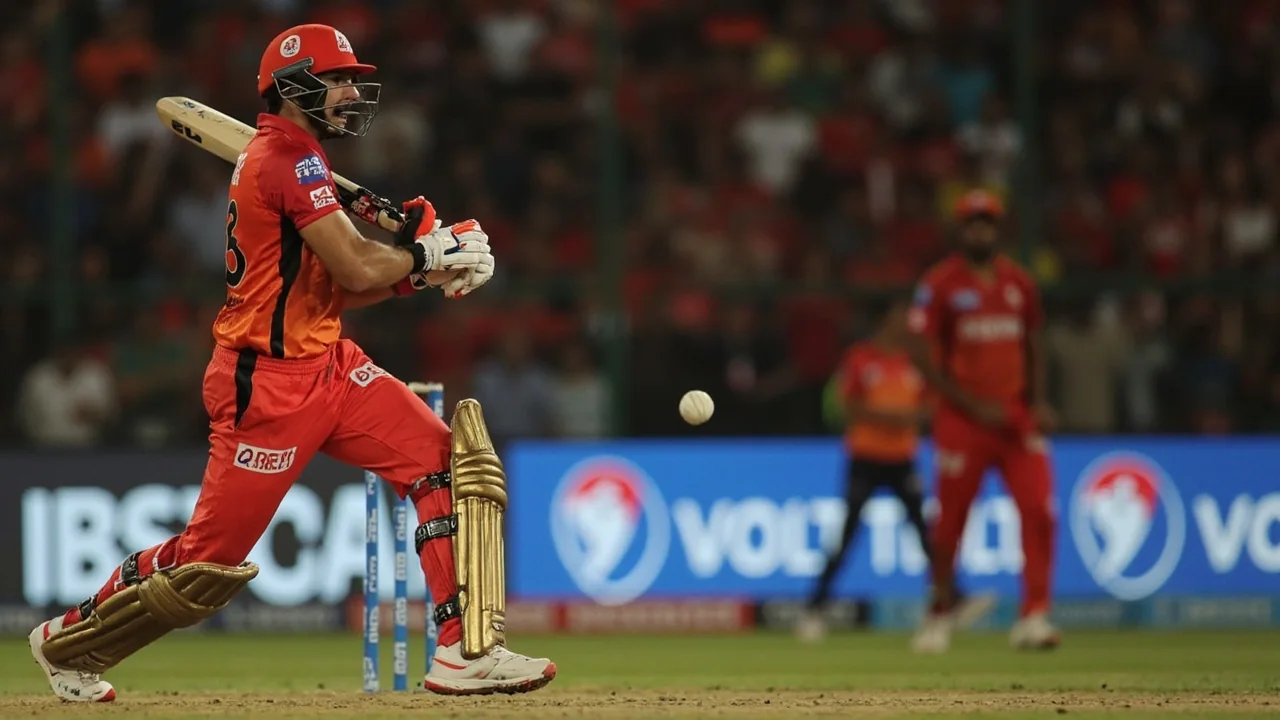
Probable XIs as published by the fantasy desk
The CricTracker probable Sunrisers XI for Match 21 was Abhishek Sharma, Travis Head, Ishan Kishan as captain, Heinrich Klaasen as wicketkeeper, A Verma, Salil Arora, K Nitish Kumar Reddy, Harsh Dubey, Shivang Kumar, Eshan Malinga, HV Patel. That side kept the new Australian opener Head at the top alongside Abhishek Sharma, handed the captaincy to Ishan Kishan rather than to a returning Pat Cummins or to a bowler, and gave the keeping gloves to Klaasen. The bowling was built around Shivang Kumar's pace, Eshan Malinga's left-arm angle, HV Patel's off-spin, and Harsh Dubey as the second spin option. Salil Arora and Nitish Reddy covered the all-round band, and A Verma sat at number five as the middle-order anchor.
The probable Royals XI was Yashasvi Jaiswal, V Suryavanshi, DC Jurel as wicketkeeper, R Parag as captain, Shimron Hetmyer, D Ferreira, Ravindra Jadeja, Jofra Archer, N Burger, Ravi Bishnoi, B Sharma. That is the Royals' clearest batting hierarchy: Jaiswal and Sooryavanshi open, Jurel keeps, Parag captains and bats in the middle, Hetmyer and Ferreira sit at five and six, and the bowling closes with Archer, Burger, Bishnoi and Brijesh Sharma. Jadeja's presence in the XI was the most interesting piece for fantasy readers, because it pushed a fourth spin option onto a 168-par Uppal surface and gave the Royals an extra batting cushion that several public contests had under-priced.
SRH probable XI (Match 21)
- Abhishek Sharma, Travis Head
- Ishan Kishan (c)
- Heinrich Klaasen (wk)
- A Verma, Salil Arora, K Nitish Kumar Reddy
- Harsh Dubey, Shivang Kumar
- Eshan Malinga, HV Patel
Captain tag on the keeper-batter rather than the bowler; Klaasen held the gloves.
RR probable XI (Match 21)
- Yashasvi Jaiswal, V Suryavanshi
- DC Jurel (wk)
- R Parag (c), Shimron Hetmyer, D Ferreira
- Ravindra Jadeja
- Jofra Archer, N Burger
- Ravi Bishnoi, B Sharma
Five-match winning run, Jadeja in for a fourth spin option on a batting-friendly surface.
Captain and vice-captain ladder that the desk actually published
The published captain ladder for Match 21 put the Sunrisers openers and the Royals top-order keeper at the top, with Travis Head and Yashasvi Jaiswal as the two safest captaincy routes once toss and pitch report confirmed. Head's case was form and venue: a 168-par chasing night at Uppal favours a left-hand powerplayer who can take the new ball deep, and his ownership had drifted after the Punjab Kings 38. Jaiswal's case was the chase template: the Royals had chased 201 in their previous match, and Jaiswal had been the opener through the entire powerplay. Either pick was a cleaner read than chasing the Sunrisers captaincy through Ishan Kishan, who carried captaincy points in the real match but not the same batting ceiling as Head or Abhishek Sharma.
Abhishek Sharma sat just below that pair as vice-captain material, and Dhruv Jurel sat on the Royals side as the differential keeper-batter. Heinrich Klaasen's ownership had crept up after the Punjab Kings knock, which made him more of a core than a differential pick. On the bowling side, Shivang Kumar's 3 for 33 against Punjab kept him in the captain pool as a rare bowling captain option, but only if managers accepted the lower batting ceiling and the smaller ownership share. Jofra Archer's price was the highest in the Royals attack, and his ownership usually tracked form rather than ceiling.
For anyone revisiting the brief as a historical document, the practical reading is to keep one of the two openers as captain, the other as vice-captain, and to avoid the temptation to stack the Sunrisers captaincy through Ishan Kishan. The published ladder was correct; the temptation to read it as a three-way race between Head, Abhishek and Jaiswal was the trap.
Pitch cue
Batting-friendly Uppal surface, fast outfield, good bounce. First-innings average around 168. Chasing has historically been the smarter side of the ledger.
Conditions cue
Cloudy, 24.1°C, 85% humidity. Humid air under lights keeps the ball a touch softer and adds late grip for spinners. Lift seam only if both names are confirmed.
Form cue
SRH L-L-W-L-W after a 219 that still lost to PBKS. RR W-W-W-W-W after a 201 chase finished with overs in hand against RCB.
Captain cue
Travis Head and Yashasvi Jaiswal sat at the top of the CricTracker ladder. Ishan Kishan was the Sunrisers captain by badge but not by ceiling.
Core, differential and avoid bands from the Match 21 brief
Core band on the published probable XIs: Travis Head, Abhishek Sharma, Heinrich Klaasen, Ishan Kishan, Shivang Kumar, HV Patel, Yashasvi Jaiswal, V Suryavanshi, DC Jurel, R Parag, Jofra Archer, Ravi Bishnoi. Those twelve names covered top-order batting on both sides, the two keeping routes, the new-ball seam on both sides, and the spin route Uppal's later overs usually reward. The thirteenth fantasy slot was where the contest separated.
Differential band: Ravindra Jadeja, Shimron Hetmyer, Harsh Dubey, Eshan Malinga, N Burger, B Sharma, A Verma, Salil Arora. Jadeja's presence in the Royals XI pushed a fourth spin option onto a surface that was officially batting-friendly, and his dual-skill ceiling was the cleanest Royals differential. Hetmyer at five was the powerplay-or-death-or-nothing option that fits a 168-par night if the top three fell early. Harsh Dubey and Eshan Malinga were the second-spin and left-arm angles for Sunrisers managers who wanted more than one matchup against the Royals right-hand middle order. Burger and Brijesh Sharma were the Royals new-ball backups if Archer's overs were split. A Verma and Salil Arora were the Sunrisers ownership traps if the public over-indexed on Head and Abhishek alone.
The published avoid list was short, and the desk did not name every bench name in the avoid column. The cleaner read for a retrospective is to flag any name whose ownership was driven by reputation rather than role: an overseas all-rounder whose overs were likely to be cut on a humid night, or a Sunrisers middle-order batter whose only path to points was a quickfire 25 that the surface and the Royals attack rarely allowed. Avoid lists on a 168-par chasing night are not the place to make a defensive cut; they are the place to remove a name that the venue profile was already discounting.
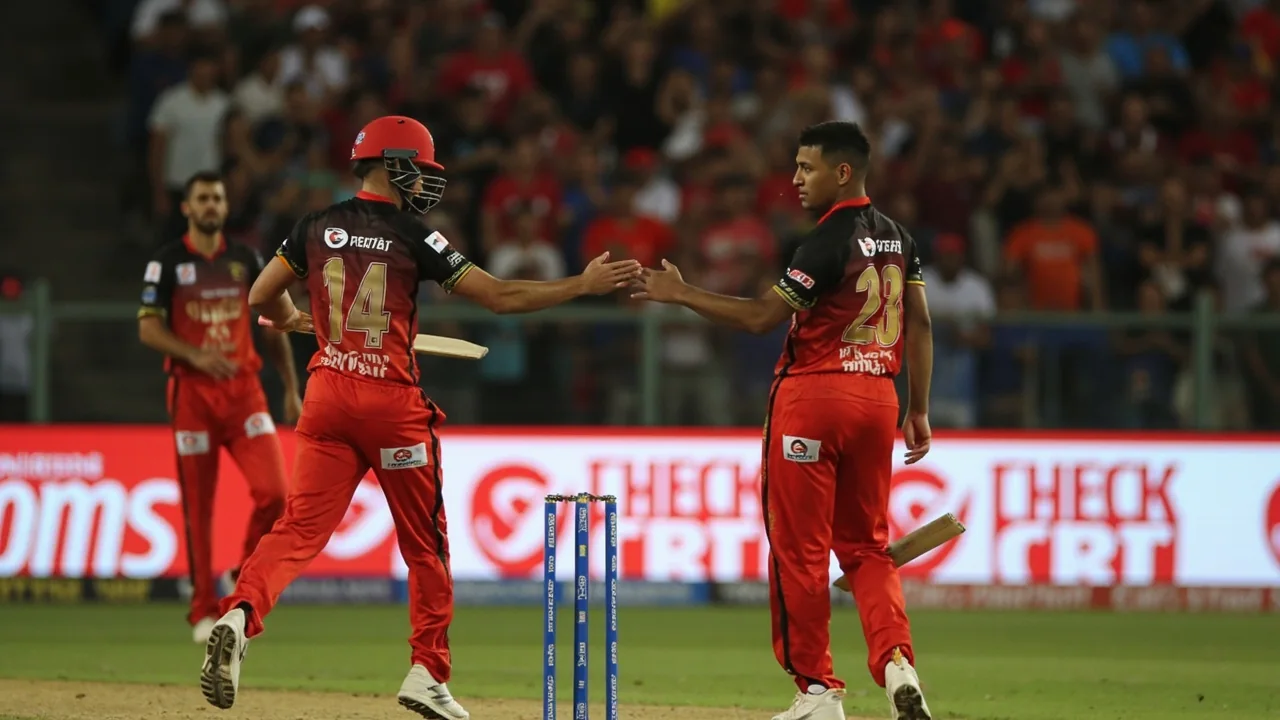
Two credit maps that still teach the right lesson
A balanced Sunrisers-leaning map on the probable card looked like this: Heinrich Klaasen (wk); Travis Head, Abhishek Sharma, Yashasvi Jaiswal, V Suryavanshi; Ishan Kishan, Ravindra Jadeja, R Parag; Shivang Kumar, Jofra Archer, Ravi Bishnoi. That construction kept three top-order batters across both sides, two dual-skill options in Jadeja and Parag, and a seam-plus-spin bowling spine that matched the 168-par Uppal average rather than chasing a fictional 220 night. Klaasen as keeper gave the side a captain-grade batter at the four-credits-extra price, and the Archer-Bishnoi pairing closed the bowling with one new-ball name and one middle-overs spin name.
A Royals-heavier differential map flipped the ownership: DC Jurel (wk); Yashasvi Jaiswal, V Suryavanshi, Travis Head, Shimron Hetmyer; R Parag, Ravindra Jadeja, Harsh Dubey; Jofra Archer, Shivang Kumar, Ravi Bishnoi. Use of that map only made sense if managers believed the Royals' five-match winning run had already pushed the public market too far toward the Sunrisers' brand names. The risk was obvious: if Head and Abhishek converted the powerplay, the Sunrisers dual-skill premium was thin and the return leaned entirely on the Royals middle. The Royals-havier map also dropped Klaasen, which is the single biggest sacrifice in a Match 21 credit conversation, because the Sunrisers keeper-batter was the cleanest top-three fantasy keeper option on the night.
Neither map is a modern lock recommendation. Both are historical illustrations of how the Match 21 brief should have been read once the probable XIs and the venue profile were set. The common error in mid-season IPL contests is to read form as a single line and ignore the venue average that sits beneath it. Match 21 is a clean example of that error, because the Royals form was real and the Sunrisers top-order form was real, but the Uppal chasing record was the variable that decided which form mattered more.
What the Match 21 record still teaches
First, treat venue averages as the floor and treat form as the ceiling. Sunrisers had just posted 219 and lost; that did not turn Uppal into a permanent 219 pitch the following night, and the 168-par average was the cleaner read. Second, captaincy badges do not always match ceiling. Ishan Kishan was the Sunrisers captain by name, but Head and Abhishek were the form captains by points, and the brief's published ladder reflected that split. Third, a five-match winning run can outprice itself. The Royals' W-W-W-W-W was real, but the public market had already loaded Jaiswal and Archer, which left Jadeja and Jurel as the cleaner Royals differentials.
Fourth, humid Uppal nights lift the floor of one quality spinner without demanding a full spin overhaul. The brief pointed to Bishnoi as the confirmed route and to Jadeja as the differential, which was the right read for a 168-par surface. Fifth, dual-skill overseas all-rounders are the cleanest differentials on a 168-par night. Jadeja, Parag and Burger were all in that bracket, and the brief correctly separated the safe dual-skill option (Jadeja) from the riskier one (Burger). Sixth, ownership traps are real. A Verma and Salil Arora were the Sunrisers names whose ownership had drifted above their role on the night, and the cleaner Royals-havier map dropped one of them without losing a points ceiling.
For readers building IPL sides in later seasons, Match 21 remains a compact checklist: read the venue average before copying the previous scorecard, split the captaincy between form and ceiling, keep one quality spinner on a 168-par surface, and do not let a five-match winning run erase the keeper who still faces the new ball. The fixture itself is closed. The method that should have been used on 13 April 2026 is still the method that wins ordinary league-stage contests.