Ireland vs Afghanistan 2nd ODI Fantasy Picks at Bready: Captain Ladder, Spin Differential, and Role Security for 7 August 2026
The 2nd ODI of the Afghanistan tour of Ireland 2026 lands at Bready Cricket Club on Friday 7 August 2026, a 03:15 PM IST / 09:45 AM GMT / 10:45 AM local start that gives an Indian fantasy manager an early-evening contest to build around. The fixture is small in the bilateral ODI calendar, but the venue profile is unusual enough that the standard IPL/T20 captaincy habit does not transfer cleanly. The job below is to read the captaincy ladder around spin rather than seam, separate role security from brand-name reputation on both squads, and lay out the credit maps that fit a fifty-overs contest where the middle-overs phase does most of the fantasy work.
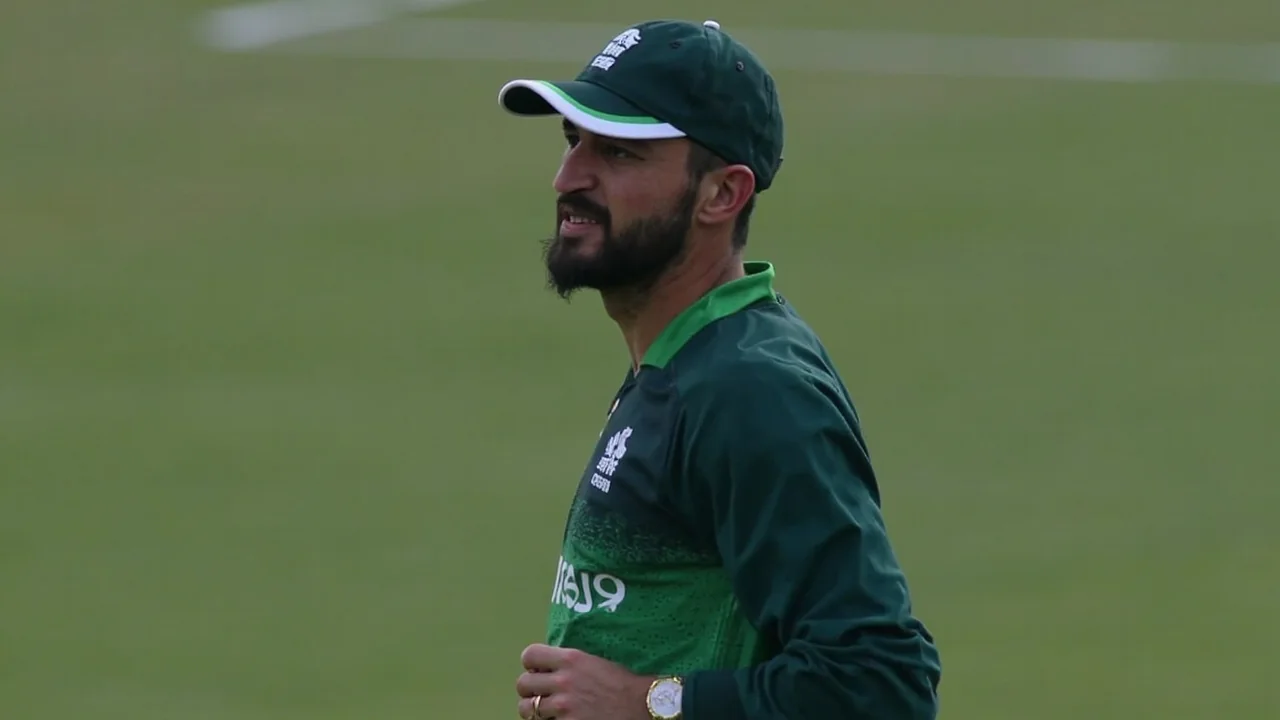
Why the captaincy question splits across two skills at Bready
Bready Cricket Club sits in Tyrone, Northern Ireland, with a flat surface that historically rewards batting depth and a weather pattern that swings between overcast mornings and sharp afternoon sunshine. The 10:45 AM local start in August almost always begins under cloud, and the cloud almost always burns off by early afternoon. That single weather pattern produces two distinct fantasy phases in the same match: a first-innings window where seamers with lateral movement can take early wickets, and a second-innings window where spinners find grip on a drying surface between overs 11 and 40.
Most public contests treat a fixture like this as a single-phase problem and load the captaincy tag on a power-hitting opener. The cleaner read for Bready is to split the captain-vice-captain multiplier across the two phases: a seam-bowling differential for the new ball under cloud, and a finger-spinning all-rounder for the middle-overs grip. The Times of Sports preview desk put Mark Adair on the captain tag and Nangeyalia Kharoti on the vice-captain tag for exactly that reason, and the venue profile supports the read without forcing either pick into a role that does not fit.
The split-captaincy read is not a default habit for bilateral ODI fantasy. It only applies at venues where the surface profile and the weather pattern reward two different bowling skills in the same match. Bready is one of those venues, and the published captaincy call should be read as a venue-specific ladder rather than a universal one. The same logic at a flat, dry subcontinental venue would put both tags on spinners; the same logic at a green seamer in England would put both tags on seam. Reading the ladder correctly means reading the venue first and the player list second.
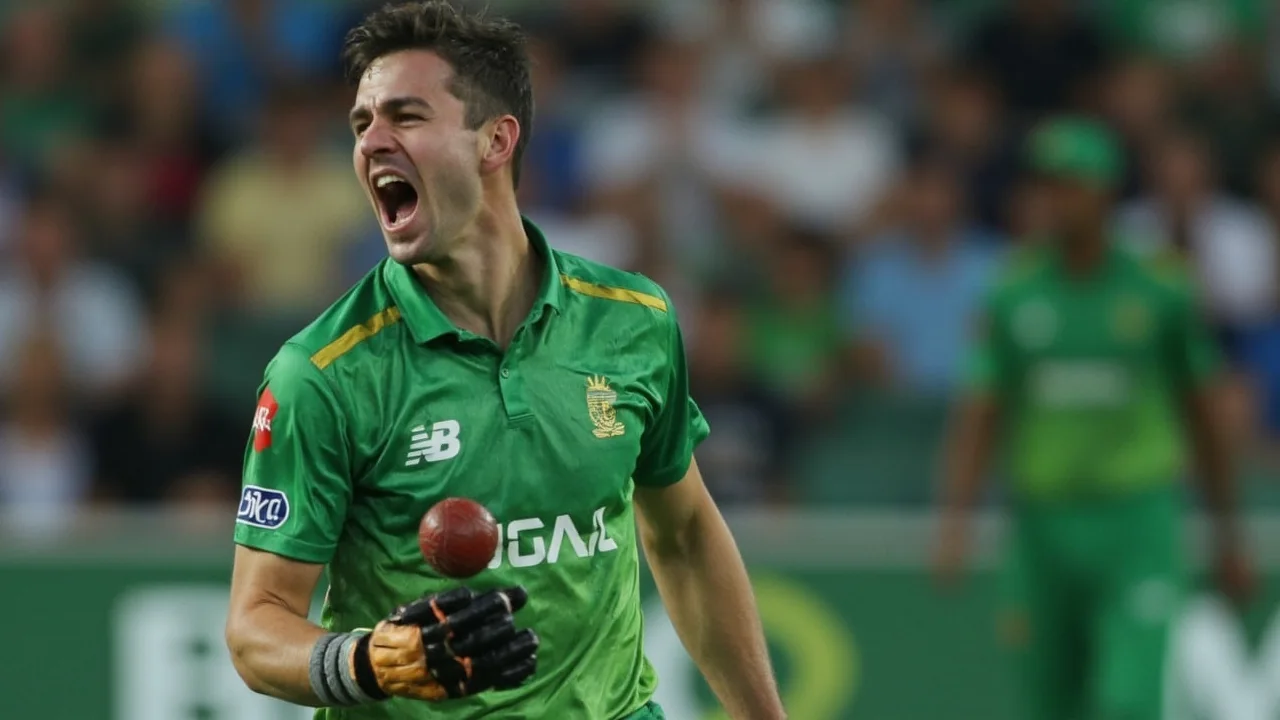
Probable XIs and what role security actually looks like on both sides
Ireland's published squad lists Paul Stirling (c), Andrew Balbirnie, Harry Tector, Lorcan Tucker (wk), Curtis Campher, George Dockrell, Andy McBrine, Mark Adair, Jai Moondra, Gavin Hoey, Cade Carmichael, Liam McCarthy, Benjamin Calitz, and Byron McDonough. The headline role pattern is familiar: Stirling at the top, Tector and Balbirnie in the middle, Tucker keeping, Campher as the seam-bowling all-rounder, Dockrell and McBrine as the spin pair, and Adair leading the new-ball attack. The role security question for an Indian fantasy manager is not who plays but who carries their role for the full fifty overs without rotation risk.
Stirling's batting position has been moved around by Balbirnie's return to form, which makes his captaincy ceiling less reliable than his reputation suggests. Tector plays spin and pace with similar control, and his middle-order slot at number three is the cleaner batting ceiling on a flat Bready deck. Campher carries the dual-skill ceiling: four overs of seam-up plus a batting slot that usually feeds him the 35th-or-later ball, which is the phase where fantasy points compound. Adair is the new-ball seam captaincy differential, and the morning cloud cue is what makes that read defensible rather than speculative.
Afghanistan's published squad features Rahmanullah Gurbaz (wk), Sediqullah Atal, Ibrahim Zadran, Rahmat Shah (c), Hashmatullah Shahidi, Darwish Rasooli, Azmatullah Omarzai, Rashid Khan, AM Ghazanfar, Yamin Ahmadzai, Fazalhaq Farooqi, Zia Ur Rahman Sharifi, Mohammad Saleem Safi, Nangeyalia Kharoti, and Ikram Alikhil. The batting depth runs deeper than the Irish side: Gurbaz-Atal-Ibrahim at the top, Shah-Shahidi-Rasooli in the middle, and Omarzai as the seam-bowling all-rounder slot. The role security on the Afghanistan side is tighter than the Irish side for one specific reason: Rashid Khan and AM Ghazanfar are both guaranteed four overs of spin through the middle phase, which means both names carry their captaincy ceiling regardless of toss.
Gurbaz is the obvious brand-name captain pick, but his role security is lower than the market assumes because Afghanistan's ODI template in 2026 has often seen him walk in at the fall of an early wicket rather than open, and his variance on Bready's seam-movement surface is wider than the public ownership data shows. Atal and Ibrahim are the steadier top-order options; Shahidi at five is the cleanest differential anchor; Omarzai is the seam-bowling all-rounder ceiling that most public contests under-price because his batting slot is not always the death overs.
Ireland probable XI (2nd ODI)
- Paul Stirling (c)
- Andrew Balbirnie
- Harry Tector
- Lorcan Tucker (wk)
- Curtis Campher
- George Dockrell
- Andy McBrine
- Mark Adair
- Jai Moondra
- Gavin Hoey
- Cade Carmichael
Role security note: Campher's seam-bowling slot and Adair's new-ball role are both locked for the full fifty overs; Dockrell-McBrine carry four overs each through the middle phase.
Afghanistan probable XI (2nd ODI)
- Rahmanullah Gurbaz (wk)
- Sediqullah Atal
- Ibrahim Zadran
- Rahmat Shah (c)
- Hashmatullah Shahidi
- Darwish Rasooli
- Azmatullah Omarzai
- Rashid Khan
- AM Ghazanfar
- Yamin Ahmadzai
- Fazalhaq Farooqi
Role security note: Rashid and Ghazanfar both carry four guaranteed overs; Gurbaz's batting position can flex between opener and early-fall entry, which is the key variance flag.
Bready's deck: how the cloud, the outfield, and the middle-overs grip reshape a fantasy card
The published pitch profile for Bready in August ODIs is consistent across recent seasons: flat, batting-friendly, with a fast outfield and good carry to the keeper on the square. First-innings totals since 2024 have sat between 260 and 290 when the batting side settles, and the chasing side has historically been the smarter side of the ledger when dew arrives in the second innings. That second-innings record matters because it tilts the toss call toward bowl first, which in turn tilts the fantasy captaincy math toward second-innings batters if the chase is in the 250-plus range.
Weather is the second signal. The 10:45 AM local start in Northern Ireland in August usually begins overcast, clears by early afternoon, and returns to cloud cover by the second innings. The morning cloud helps seamers with lateral movement off the surface; the afternoon sun helps spinners find grip as the pitch dries. For an Indian fantasy manager building a side at 03:15 PM IST, the practical read is that the seam-up captaincy route is most useful in the first innings, the spin captaincy route is most useful in the second innings, and a balanced XI has to account for both phases rather than loading the credits on one skill.
Broadcast coverage for a Bready bilateral usually runs on FanCode in India and the Afghanistan Cricket Board YouTube channel internationally. That detail matters for the live fantasy market because the toss, the playing XIs, and any pitch report from the broadcaster usually arrive in the public fantasy feed about 15 to 20 minutes before the first ball. The window to wait for confirmation is real, and the cost of locking on probable XIs alone is usually higher than the cost of waiting for the official toss sheet.
Building the captain ladder around spin, not seam
The Times of Sports brief put Mark Adair as captain and Nangeyalia Kharoti as vice-captain. That call is a defensible read for a Bready ODI, but it is not the only defensible read, and the published ladder reflects a specific weighting of the venue profile that an Indian fantasy manager can audit against their own read of the squads. The captain tag is the single highest-leverage decision in a Dream11 contest, and the venue math usually has to win over the brand-name math at small bilateral grounds.
Mark Adair's captaincy case rests on three facts: he is Ireland's leading new-ball seamer, Bready's morning cloud usually offers lateral movement, and his ODI economy in 2026 has been under five runs per over in the powerplay. As captain, his 2x multiplier on a four-over spell plus his lower-order batting ceiling gives a fantasy side a clean bowling-led ceiling without sacrificing too much batting depth. Nangeyalia Kharoti's vice-captaincy case rests on his role as the second-spin option in a Bready middle-overs phase that favours finger spin: if the match reaches the 30-over mark with the batting side well-set, Kharoti's 1.5x multiplier on a spell that takes wickets in clusters is the most efficient vice-captain route on the brief.
The alternative captaincy read is to swap Adair for Paul Stirling or Harry Tector on the Ireland side, or for Hashmatullah Shahidi or Sediqullah Atal on the Afghanistan side. Stirling's case is reputation and ceiling against a Bready surface; Tector's case is control and batting position. Shahidi's case is the cleanest differential anchor on the Afghanistan side because his ownership in public contests is usually modest and his ODI record in bilateral cricket is the steadiest in the squad. Atal's case is similar to Shahidi's but tilted toward the powerplay, which is the higher-variance option. For most public contests, the published Adair-Kharoti ladder is the safer read; for large-field contests where differential captaincy matters more, Shahidi or Atal as captain with Rashid Khan as vice-captain is the cleaner ceiling play.
Venue cue
Flat Bready deck with consistent bounce. First-innings average in the 260-290 range across recent ODIs. Fast outfield, good carry to the keeper, grip for spinners between overs 11 and 40.
Conditions cue
Morning cloud under a 10:45 AM local start favours seam movement with the new ball. Afternoon sun helps spinners find grip as the pitch dries. Dew likely in the second innings, which tilts the toss call toward bowl first.
Role-security cue
Ireland's Adair-Campher-Dockrell-McBrine carry fixed overs. Afghanistan's Rashid-Ghazanfar both carry four guaranteed overs. Gurbaz's batting slot is the only soft-role flag on either side.
Captaincy cue
Split the multiplier across two skills: Adair (Ireland seam) as captain, Kharoti (Afghanistan finger spin) as vice-captain. Differential alternative: Shahidi or Atal with Rashid Khan as vice-captain.
Three credit maps for an ODI bilateral
A balanced role-secure credit map on the probable XI looks like this: Lorcan Tucker (wk); Paul Stirling, Andrew Balbirnie, Harry Tector, Hashmatullah Shahidi; Curtis Campher, Azmatullah Omarzai, George Dockrell; Mark Adair, Rashid Khan, Fazalhaq Farooqi. The construction keeps three top-order batters across both sides, the two keeping routes, three dual-skill options in Campher, Omarzai and Dockrell, and a bowling spine that pairs Adair with Farooqi as the seam pair and Rashid Khan as the spin-led middle-overs anchor. Tucker as keeper gives the side a top-order batter at the keeper-credit premium, and the Rashid-Dockrell spin pair handles the middle-overs grip on Bready's flat deck without requiring a third seamer.
An Afghanistan-heavier differential credit map flips the ownership and the captaincy: Rahmanullah Gurbaz (wk); Sediqullah Atal, Ibrahim Zadran, Harry Tector, Andrew Balbirnie; Azmatullah Omarzai, Curtis Campher, Nangeyalia Kharoti; Fazalhaq Farooqi, Mark Adair, Rashid Khan. That build only works if a manager believes the Afghanistan batting depth will outlast the Irish new-ball spell under cloud, and that the second-spin differential of Kharoti will outscore the Dockrell-McBrine spin pair in the middle overs. The risk is straightforward: if Stirling and Tector bat through the powerplay, the Afghanistan-heavy map sacrifices a captain-grade batting ceiling for a spin-led differential that may not convert.
A spin-led ceiling map is the third option, and it is the one most suited to contests where the dew forecast reads heavy: Lorcan Tucker (wk); Harry Tector, Hashmatullah Shahidi, Andrew Balbirnie, Sediqullah Atal; Curtis Campher, Andy McBrine; AM Ghazanfar, Rashid Khan, Mark Adair, Fazalhaq Farooqi. That construction loads four overs of Rashid plus four overs of Ghazanfar as the spin spine, with McBrine as the third-spin option instead of a third seamer. The captaincy tag moves to Rashid Khan, with Tector or Shahidi as vice-captain. The map is the higher-ceiling read for a contest where dew arrives in the second innings and the chasing side carries the smarter side of the ledger, because the spin grip matters more than the new-ball seam in the second innings.
None of the three maps is a lock recommendation. All three are illustrations of how the Bready venue profile should shape the credit conversation, with the published probable XIs and the morning-overcast weather signal as the two anchors. The common error in ODI bilateral fantasy contests is to read an ODI like a T20 and chase the power-hitting ceiling; Bready specifically rewards managers who weight control, spin grip, and seam movement over six-hitting volume.
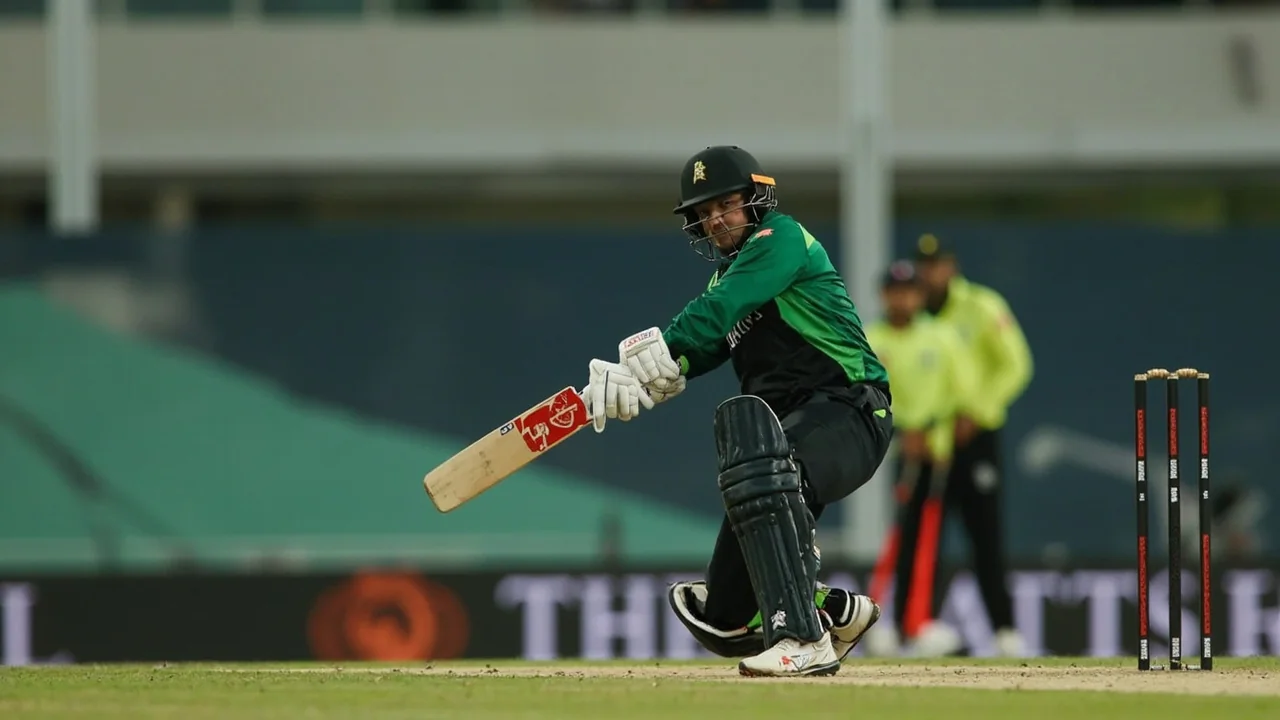
What to verify before the toss
First, wait for the official toss. A Bready ODI toss usually arrives 30 minutes before the first ball, and the toss call is the single biggest variable in the build. If the captain who wins the toss chooses to bowl first, the fantasy captaincy math tilts toward second-innings batters; if the captain chooses to bat first, the math tilts toward first-innings batters and the new-ball seamers. Locking on probable XIs without the toss is the most common error in bilateral ODI contests, and it costs more than any credit map mistake.
Second, confirm the playing XIs from the official toss sheet rather than from the published probable XIs. Bilateral ODI squads often rest one or two frontline players between back-to-back matches, and the published squad list is not a guarantee of selection. The 2nd ODI of an Afghanistan tour of Ireland is a typical rest-window fixture for one of the senior batters, and a manager who locks on the squad list without the toss sheet may end up carrying a rested player as captain.
Third, read the dew forecast for the second innings. Bready in August usually produces dew from the 35th over onward in a day-night ODI, and a 10:45 AM local start means dew is more likely in the late afternoon than at night. If the dew forecast is heavy, the chasing side gains a significant advantage through the second innings, and the captaincy math should weight the second-innings batting accordingly. If the dew forecast is dry, the first-innings batting and the new-ball seamers carry the higher ceiling.
Fourth, check the role-security flag for any player whose batting position has been rotated in the recent ODI cycle. Gurbaz is the clearest example: his slot has flexed between opener and early-fall entry across Afghanistan's 2026 ODIs, and a flexed slot reduces his captaincy ceiling by enough that the differential alternatives (Atal, Shahidi) become more efficient picks in large-field contests. A manager who carries Gurbaz as captain without checking the role-security flag is paying full price for half the ceiling.
Fifth, no flagged injury on either side is the cleanest fantasy signal ahead of the fixture. It means the published probable XIs are the most likely playing XIs, the credit map does not need a bench-name hedge, and the captaincy ladder does not need to account for a late change. That kind of clean pre-match read is rare in bilateral ODI contests, and it should be used to simplify the build rather than to add unnecessary differentials. For readers who want a wider view of how bilateral ODI fantasy contests differ from IPL or Hundred templates, and how role security, venue averages and toss math combine into a credit map, the broader Fantasy Cricket notes carry the framework in a more general form.
What this fixture still teaches about bilateral ODI fantasy
First, a bilateral ODI fantasy card is not an IPL or Hundred card. The powerplay weight is lower, the death-over weight is lower, the spin grip between overs 11 and 40 is higher, and the captaincy ceiling splits between the new-ball seamer and the finger-spinner rather than sitting on a single power-hitting opener. Reading a Bready ODI like a Chennai IPL fixture produces a build that is wrong on three out of four phases, and the contest will reward the manager who weights control over ceiling on the captain tag.
Second, role security is the most under-priced fantasy signal at small bilateral venues. A player whose role is locked for the full fifty overs carries a higher captaincy ceiling than a brand-name pick whose role can flex between positions, even when the brand-name pick has the higher historical average. At Bready, Adair and Rashid Khan carry locked roles; Gurbaz and Stirling do not. The captaincy tag should reflect that asymmetry rather than the headline reputation.
Third, the toss is the single biggest variable. A Bready ODI contest locked on probable XIs without the toss is a coin-flip on which innings scores more, and that decision alone can swing the captaincy multiplier by a factor of two. The window to wait is real, and the cost of locking early is usually higher than the cost of waiting for the official toss sheet to drop.
Fourth, the captain-spin split is a venue-specific read rather than a universal habit. It only applies at grounds where the surface profile and the weather pattern reward two different bowling skills in the same match, and Bready is one of those grounds. The same logic does not transfer to a flat, dry subcontinental venue, where both tags should sit on spinners, and it does not transfer to a green seamer in England, where both tags should sit on seam. Reading the ladder correctly means reading the venue first and the player list second.
The 2nd ODI at Bready on 7 August 2026 is a small fixture in the bilateral ODI calendar, but the venue profile, the squad shape and the absence of any injury flag make it a useful test of how to read a fifty-overs contest for fantasy. The published Dream11 brief from Times of Sports on 6 August 2026 is the right starting point, and the captaincy ladder around spin is the framework that turns the brief into a build that fits the venue.