Kalshi Referral Code OREGONLIVE1 Opens Up to $500 Bonus Credit for UFC Fight Night
OregonLive reported on 1 August 2026 that Kalshi referral code OREGONLIVE1 is live for new accounts, offering up to $500 in bonus credit after $25 in qualifying trades. The note is timed around UFC Fight Night markets for Uroš Medić against Daniel Rodriguez, with Kalshi pricing Medić near a three-to-one favourite as of that evening.
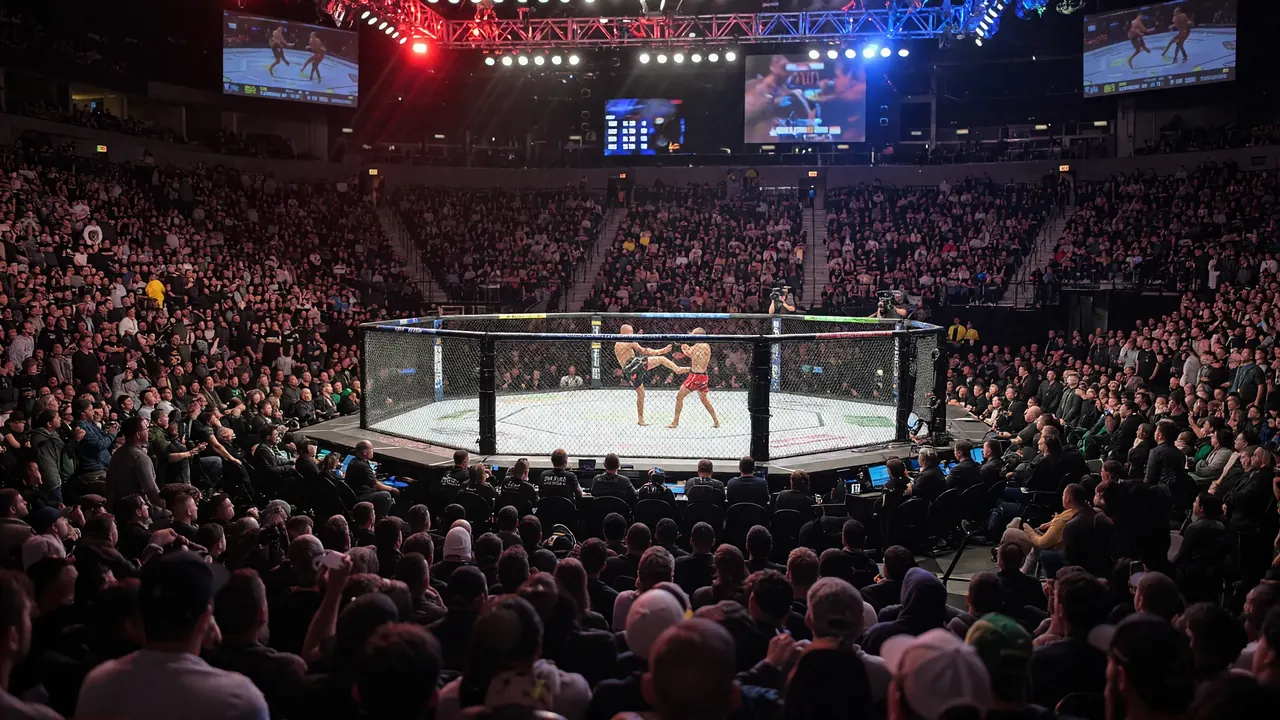
For readers who track sports invites, welcome credits and prediction-market sign-up terms, the useful part of the OregonLive report is not the event framing alone. It is the concrete claim path: enter OREGONLIVE1 during registration on Kalshi.com or the Kalshi app, finish identity checks, then complete at least $25 in trades on Kalshi Predictions markets within seven days of opening the account. The credit is variable between $15 and $500, and OregonLive is explicit that most new users land on the lowest tier even though every qualifying account remains eligible for the full headline range.
That distinction matters. An “up to $500” line is marketing language for a range, not a guaranteed top-tier deposit. Families and individual traders who treat the ceiling as the expected amount misread the offer before the first trade is placed. The floor, the seven-day clock and the new-account lock are the terms that decide whether the invite is worth the setup work.
What OregonLive confirmed on 1 August
Special correspondent Mac Douglass published the OregonLive piece late on Saturday, 1 August 2026 (6:55 p.m. local onsite time; ISO timestamp 2026-08-02T01:55:00Z). The verified code is OREGONLIVE1. The qualifying action is $25 in trades, not a simple deposit. The reward is bonus credit, not cash withdrawn at the moment of claim. The offer is limited to new Kalshi accounts and one claim per user.
OregonLive also listed four sibling affiliate codes carrying the same structure as of that date: SYRACUSE, MASSLIVE1, CLEVELAND and SILIVE. All five are described as verified through Kalshi’s official affiliate publisher network and tied to the same up-to-$500 / $25-trade package. Unverified strings floating outside that list should be treated as unconfirmed until the registration screen accepts them and the bonus terms appear in plain language.
Eligibility is age- and geography-gated. Users must be 18 or older with a legal U.S. residential address. The report excludes Arizona, Illinois, Massachusetts, Maryland, Michigan, Montana, New Jersey and Ohio. Anyone outside the eligible footprint will not convert the code into credit no matter how carefully the registration form is filled.
How the claim path works in practice
The sequence in the OregonLive note is short enough to write on a sticky note. Visit Kalshi.com or install the Kalshi app. Choose sign-up. Enter OREGONLIVE1 in the referral field during registration, not after the profile already exists. Complete identity verification. Trade at least $25 on Predictions markets inside seven days of account opening. Wait for the variable bonus credit to land, then apply it only to markets the trader already intended to price.
Two failure modes appear often with invite-style sports credits. The first is typing the code after the account is already live; many platforms refuse to attach a registration-only invite retroactively. The second is finishing the $25 in trades after the seven-day window closes. Both leave a working account and no bonus. Slowing down at the referral field and marking the day-seven deadline on a calendar removes most of that friction before money moves.
Bonus credit, once applied, can be used across open Kalshi markets according to the OregonLive write-up, including the UFC Fight Night contracts tied to Medić versus Rodriguez. That flexibility is useful only when the trader already understands contract pricing. A credit spent on a market the trader does not follow is still a spend, not a saving.
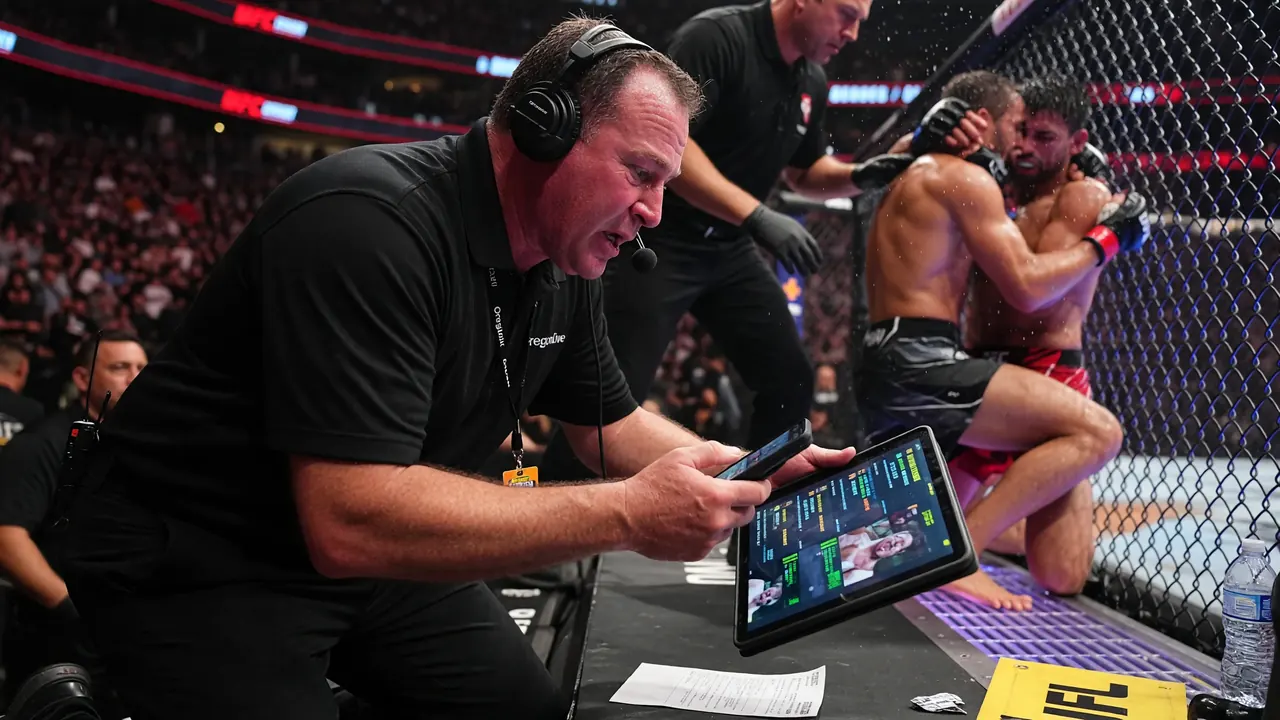
UFC Fight Night pricing snapshot from the same report
OregonLive framed the code around UFC Fight Night on Saturday, 1 August 2026, with the main event listed as Uroš Medić versus Daniel Rodriguez. As of that date, Kalshi’s market-implied probabilities sat at roughly 76% for Medić and 24% for Rodriguez. Undercard snapshots in the same article included Ludovit Klein at 69% against Tofiq Musayev at 31%, Aleksandar Rakic at 75% against Marcin Tybura at 25%, and Robert Valentin at 59% against Dusko Todorovic at 41%.
Longer-horizon Kalshi title markets were also quoted: Islam Makhachev near 72% and Ian Machado Garry near 27% in a welterweight title view for the end of 2026, with Carlos Ulberg near 83% and Magomed Ankalaev near 11% in a light-heavyweight title market. Those figures are snapshots from 1 August 2026. Contract prices move when traders reprice news, weigh-ins and late information, so any later session should re-check the live board rather than treat the printed percentages as fixed.
Kalshi expresses prices as contract values or implied probabilities rather than classic American sportsbook odds. A contract near 76 cents implies about a 76% market probability. That format is the same language used for political and economic contracts on the exchange, which is part of why the platform sits outside ordinary sportsbook vocabulary even when the event is a fight card.
Exchange structure, not a sportsbook desk
OregonLive describes Kalshi as a CFTC-regulated U.S. designated contract market. In plain terms, that means the platform operates as a regulated exchange matching buyers and sellers on event contracts instead of booking risk against the customer the way a traditional sportsbook does. Users buy and sell outcome contracts. When a contract resolves in their favour, they receive the payout defined by the contract rules.
Search traffic often labels the activity “Kalshi betting,” but the product language is trading. The difference is not cosmetic for compliance or for state availability. A regulated DCM structure is why Kalshi can appear in states where conventional sportsbooks face a different licensing map, subject still to the residence exclusions listed above. Readers comparing a sportsbook promo with a Kalshi invite are comparing two different legal products even when both mention a fight night.
Order-book mechanics also change how a new-user credit feels. On an exchange, liquidity, spread and timing matter. A $25 qualifying trade can be several small contracts or one larger ticket, but the fill quality still depends on resting liquidity. The bonus does not remove the need to understand what price is being paid for the contract.
Kalshi and Polymarket side by side on the same night
The OregonLive comparison places Kalshi beside Polymarket as the two large U.S.-facing prediction venues covering UFC cards, politics and macro events. On fights listed on both boards for that night, implied prices sat within roughly a point or two of each other — Medić near 76% on Kalshi and 77¢ on Polymarket, Rodriguez near 24% on both, Klein 69% versus 68¢, Musayev 31% versus 33¢, Rakic 75% versus 77¢, Tybura 25% versus 24¢.
The promo math diverges more sharply than the fight prices. OREGONLIVE1 is described as up to $500 after $25 in qualifying trades. Polymarket’s then-current promo in the same article is framed as $20 bonus funds on a $10 deposit, leaving $30 total to trade. For a reader who only cares about headline size, Kalshi’s invite looks larger. For a reader who cares about expected credit, the variable $15–$500 range and the “most users receive the lowest tier” note pull the Kalshi expectation back toward a modest starter cushion unless higher tiers are documented in the account after claim.
Structural differences remain. Kalshi’s DCM status and matched order book are the transparency argument. Polymarket’s peer-to-peer layout is the alternative market-access argument. Some active traders keep both accounts so they can compare prices; that is a workflow choice, not a requirement of either promo. Nothing in the OregonLive report obliges a dual setup.
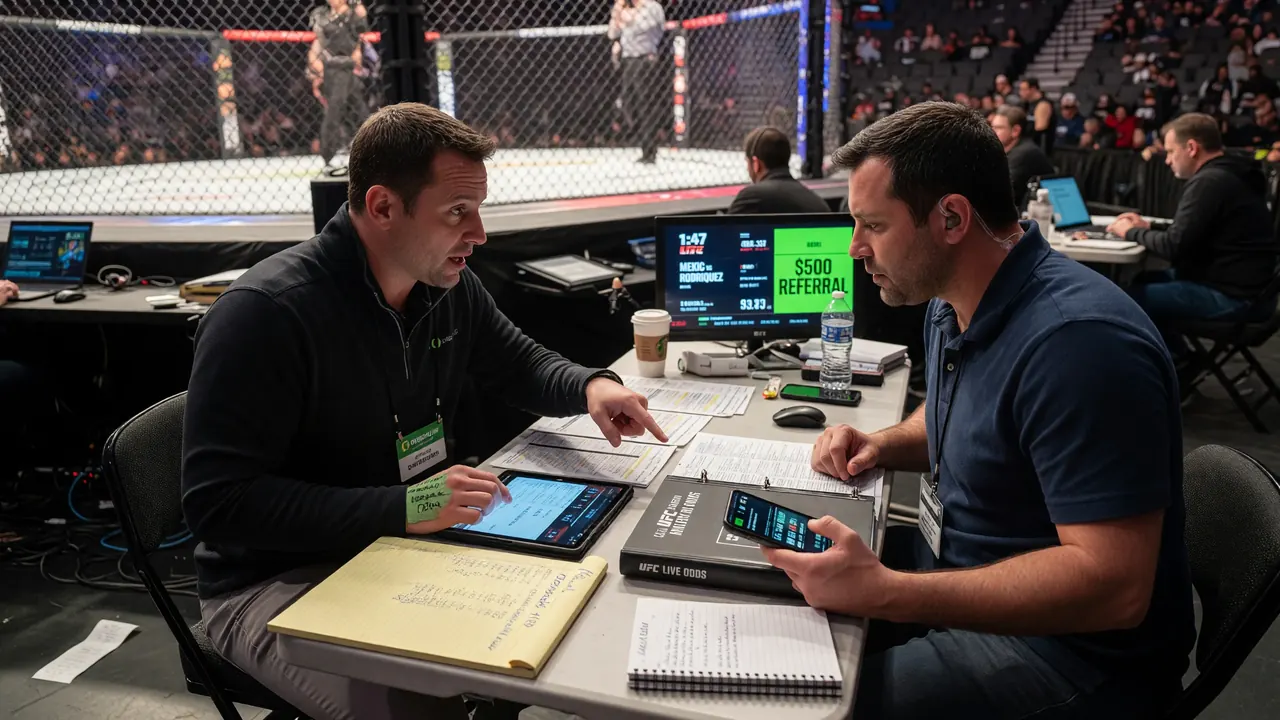
Reading variable bonus tiers without wishful math
Variable rewards create two common mistakes. The first is budgeting as if the ceiling will arrive. The second is ignoring the qualifying trade because the bonus “should” cover early activity. OregonLive’s wording closes both doors: the range starts at $15, most new users receive the lowest tier, and the $25 in trades must still be completed inside seven days on Predictions markets.
A practical way to keep the numbers honest is to write three columns before registration. Column one is the expected bonus at the lowest tier. Column two is the $25 qualifying turnover that must be risked or rotated through contracts. Column three is any deposit or wallet top-up required to place those trades. Only after those three figures are visible does the invite become comparable with a sports-app trial credit or a venue deal a household might already be weighing for the week.
Readers who already keep a short checklist for invites, credit timing and eligibility gates can keep the KheloMore referral code notes open beside the Kalshi registration screen. The OregonLive facts decide whether OREGONLIVE1 is active and what the UFC-night framing looks like. The referral notes keep the slower questions in order: who qualifies, when the credit must be claimed, where it must be entered, and what still has to be paid after the promotional line appears.
Eligibility, geography and account limits
New-account-only language is strict on platforms that police multi-accounting. Shared devices, recycled phone numbers and older unfinished profiles are common reasons a “new user” invite fails even when the typed code is correct. Completing verification with the same identity the trader intends to keep for withdrawals avoids a second failed attempt later.
The state exclusion list is equally non-negotiable in the OregonLive text: Arizona, Illinois, Massachusetts, Maryland, Michigan, Montana, New Jersey and Ohio are out. A traveller with a non-eligible residential address should not expect the registration flow to invent an exception for fight night. Age 18+ is the floor everywhere the offer runs.
One offer per user closes the loop. Forwarding OREGONLIVE1 to a friend who already holds a Kalshi login will not mint a second credit. The five verified publisher codes listed for 1 August 2026 are alternate entry strings for the same package, not five stacked rewards on one identity.
What the UFC framing does and does not change
Fight-night packaging makes the invite feel urgent. The underlying terms do not require a wager on Medić or Rodriguez. OregonLive states the bonus can apply across open markets once unlocked, and the qualifying $25 can be met on Predictions markets generally. The card supplies a reason to look at the board; it does not rewrite the claim rules.
That is useful discipline for anyone who follows combat sports casually. A main-event favourite priced near 76% is a consensus snapshot, not advice. An underdog at 24% is the market’s residual probability, not a value label. Traders who need the credit should still choose contracts they understand. Traders who only wanted the fight prices can read the board without claiming anything.
For longer-term title markets quoted in the same article, the same caution applies. End-of-2026 championship contracts move on injuries, bookings and ranking shifts that have nothing to do with a single Fight Night undercard. Using a new-user credit on a distant title market is optional, not required by OREGONLIVE1.
Checklist before typing the code
Confirm the residential address is inside an eligible U.S. jurisdiction and outside the eight excluded states. Confirm the person registering is 18 or older and does not already hold a Kalshi account. Keep OREGONLIVE1 ready for the referral field during sign-up. Block time inside the next seven days to complete $25 in Predictions trades after verification clears. Expect a variable credit that may arrive at the low end of the $15–$500 range. Re-read live UFC prices at the moment of trading instead of relying on the 1 August snapshot alone.
If any line on that list fails, skip the invite and leave the account unopened. A referral credit is optional infrastructure. It should never force a rushed identity check, a forced top-up the trader cannot afford, or a fight-market ticket taken only to “activate” a banner. The OregonLive report is valuable because it names the code, the clocks and the exclusions with enough precision to make that refusal easy.
What to watch next
Two clocks matter after publication. The first is the seven-day qualifying window on any account opened with OREGONLIVE1. The second is the live Kalshi board for Medić versus Rodriguez and the listed undercard pairs, which can reprice before the cage walks begin. Readers comparing prediction-market invites with ordinary sports booking credits should keep those clocks separate from venue trial offers that expire on a class timetable rather than a trade timetable.
If Kalshi or its affiliate publishers change the bonus range, the qualifying turnover or the excluded-state list after 1 August 2026, the registration screen and official terms override any earlier newspaper summary. Until such a change is documented, the OregonLive package remains the clearest public description of OREGONLIVE1: a new-user, one-per-person, seven-day, $25-trade path into a variable bonus credit framed around a UFC Fight Night card the exchange was already pricing.